Search This Blog

So You Want to Stop… Drinking Your Calories


myfitnesspal assorted beverages

Every few weeks, I start a new group of clients on a program to change their health habits. One of the habits we work on together is consuming fewer liquid calories. Many of my clients say the same thing, “Easy, I don’t drink that much soda.” But then I ask them what they had this morning at Starbucks…

In 2004, researchers looked at data from the National Health and Nutrition Examination Survey to see how many calories Americans drink. They specifically looked at “sugar-sweetened beverages” which includes,

  • “low-calorie” drinks
  • sweetened teas
  • fruit drinks and juices
  • sweet coffee-bar drinks (such as Frappuccinos and hot chocolate)
  • rice and soy milks
  • sports drinks

What did they find? 63% of Americans had one or more of these beverages on any given day, and total calories per day from sweetened drinks has gone up in the last 20 years by 29% to over 200 calories per day. (That doesn’t include alcohol, which in the survey accounted for another 99 calories per day!)

Most of these drinks have slipped into our daily routine because they have been marketed as “healthy.” Some of them are even “made with fruit”—kind of like when I put put a pickle on a roast beef sandwich and say it’s “made with vegetables.” But my beef with liquid calories has nothing to do with “health” and everything to do with mindlessness. By my definition, any calorie you consume without noticing is an empty calorie. And since calories add up, it’s time to learn how to drink fewer empty ones. Here are the best lessons I’ve learned from my own clients.

1. Keep track of your drinks When you start recording your morning orange juice and afternoon Frappuccino in MyFitnessPal, you’re going to notice those calories. Take a look at how many beverages you drank from the list above at the end of a week, and add up how many extra calories you drank. For a real visual shocker, see how many extra grams of sugar you drank and then measure that amount out in table sugar.

2. Drink more water Most of the calories we drink are consumed because we’re thirsty. I recommend drinking 50 to 100 ounces of pure water daily. Start your day with a glass in the morning, and end it with a glass before you go to bed.

3. Keep a water bottle at your desk Why mention work? Because we spend so much time at the office, and because the average person consumes 20% of their liquid calories there! By having an alternative handy, you can simply replace mindlessly drinking calories with mindlessly drinking water.

4. Immediately follow wine with water If you are going out for drinks with friends, try drinking one glass of water for every cocktail or glass of wine you sip. If you’re anything like my clients (or me), you’ll end up drinking half the calories you normally would and you’ll wake up feeling a lot better the next morning, too!

5. Brew some tea Green, black, white or red tea (did you know there were so many different colors?) is very flavorful, healthy, and easy to make. You can drink it cold, hot, or anything in-between and it’s tasty morning, noon, and night. If you’re just sick of plain water, find a tea you like and keep a mug of nearby.

Do you drink too many empty calories? Are you cutting back? Share your strategies in the comments.


from Hello Healthy http://ift.tt/1E6y6ck
via IFTTT

6 Slow-Cooker Breakfast Recipes


6 Slow Cooker Breakfast Recipes

Save yourself time in the morning by making breakfast with a slow cooker. The yummy aroma of homemade breakfast wafting through the halls will give you one more reason not to snooze through that annoying alarm. Give this idea a try with one (or all) of these fabulous slow cooker breakfast recipes.

1. Slow Cooker Pumpkin Bread | Clean Eating
Make moist pumpkin bread from the convenience of your slow cooker using canned pumpkin puree. By adding apple juice, you can sweeten the bread without adding as much sugar. The recipe calls for maple sugar flakes, but feel free to use light brown sugar instead. Recipe makes 16 servings at one 1/2-inch slice each.

Nutrition (per serving): Calories: 159; Total Fat: 7g; Saturated Fat: 1g; Monounsaturated Fat: 3g; Cholesterol: 0mg; Sodium: 70mg; Total Carbohydrate: 21g; Dietary Fiber: 3g; Sugars: 8g; Protein: 4g

2. Slow Cooker Apple Pie Steel-Cut Oatmeal | The Healthy Maven
When it comes to slow-cooked breakfasts, this recipe for slow cooker apple pie steel-cut oatmeal gets the blue ribbon. At under 200 calories per serving, it delivers 5 grams of fiber and 5 grams of protein. Recipe makes 5 servings at 1 cup each.

Nutrition (per serving): Calories: 180; Total Fat: 5g; Saturated Fat: 1g; Monounsaturated Fat: 1g; Cholesterol: 0mg; Sodium: 135mg; Carbohydrate: 31g; Dietary Fiber: 5g; Sugar: 11g; Protein 5g

3. Slow Cooker Bacon, Egg & Hash Brown Casserole | Elle Penner, MyFitnessPal Registered Dietitian
Toss eggs, hash browns, bacon and cheese into the slow cooker then wake up to a fluffy egg breakfast. This low-carb breakfast idea is savory and full of protein. Recipe makes 8 servings at about 1 cup each.

Nutrition (per serving): Calories: 342; Total Fat: 22g; Saturated Fat: 10g; Monounsaturated Fat: 8g; Cholesterol: 357mg; Sodium: 648mg; Carbohydrate: 14g; Dietary Fiber: 2g; Sugar: 2g; Protein 21g

4. Slow Cooker Breakfast and Sweet Pepper Hash | Better Homes and Gardens
If you’re craving sausages for breakfast, make this recipe, featuring tender chicken sausages and sweet peppers, for slow cooker hash. At less than 150 calories per serving, you can add a side of eggs (for you low-carbers) or a slice of 100% whole-grain toast. Recipe makes 10 servings at 2/3 cups each.

Nutrition (per serving): Calories: 131; Total Fat: 3g; Saturated Fat: 1g; Monounsaturated Fat: 0g; Cholesterol: 24mg; Sodium: 220mg; Total Carbohydrate: 18g; Dietary Fiber: 2g; Sugars: 6g; Protein: 7g

5. Slow Cooker Veggie Frittata | Kalyn’s Kitchen
Eggs made in the slow cooker are softer and great for reheating! If you like microwaveable breakfasts, then make this slow cooker vegetable-filled frittata ahead of time to reheat when you’re ready. The feta cheese adds creaminess and saltiness but feel free to replace it with your favorite cheese instead. Recipe makes 6 servings.

Nutrition (per serving): Calories: 185; Total Fat: 10g; Saturated Fat: 4g; Monounsaturated Fat: 3g; Cholesterol: 295mg; Sodium: 667mg; Total Carbohydrate: 9g; Dietary Fiber: 2g; Sugars: 3g; Protein: 13g

6. Maple-Hazelnut Oatmeal | Cooking Light
The soothing aroma of fresh oatmeal out of a slow cooker is convincing enough to make this maple-hazelnut oatmeal. Savor happiness in a bowl with the flavors of brown sugar, cinnamon and maple syrup topped with chopped hazelnuts and apples. Recipe makes 4 servings at 1 1/4 cup oatmeal + 1 tablespoon syrup + 1/2 tablespoon hazelnuts.

Nutrition (per serving): Calories: 358; Total Fat: 9g; Saturated Fat: 4g; Monounsaturated Fat: 4g; Cholesterol: 13mg; Sodium: 226mg; Total Carbohydrate: 62g; Dietary Fiber: 5g; Protein: 9g


from Hello Healthy http://ift.tt/1PaJtA6
via IFTTT

How to Plank the Right Way Plus 4 Plank Variations


plank

Planks have been all the rage in the fitness field the past few years—they’ve trumped the crunch (and many other moves, for that matter) as the go-to exercise for strengthening the core muscles, the group of trunk muscles that surround the spine and include the abs, hips and glutes. And for good reasons:

  1. Planks and plank variations require constant abdominal stabilization and, in some variations, body rotation, which an American Council of Exercise-commissioned study ranked as the top two criteria for determining the most effective abdominal exercises.
  2. Planks encourage core stability. A study published in the American College of Sports Medicine Journal emphasizes the importance of core stability not only for normal movement patterns for everyday activities and sports, but also for injury prevention. The study also notes the efficacy of core stability and strengthening in the treatment of low back pain.

To reap all of these benefits, planks and plank variations need to be completed with correct form. We asked NASM-certified trainer and functional movement expert Erik Taylor to walk us through how to execute a plank—as well as four plank variations—the right way.

how to plank infographic

Plank
1. Lie on your stomach, flat on the floor. Push up onto your forearms.
2. Bend your elbows and rest your weight on your forearms.
3. Keep your elbows under your shoulders.
4. Pull your belly button towards your spine.
5. Your body should form a flat line. Don’t let your hips sag, and don’t push your butt up—keep your body in a straight line.
6. You can do this plank on your hands instead of your elbows if you prefer (if you feel any pain or stiffness in your wrists, balance your weight on your elbows instead).

Side Plank
1. Lie on your side with your legs straight and your body in a straight line (shoulders and hips stacked one on top of the other; don’t lean forward or backwards).
2. Prop your body up so your hips are off the floor. Rest your weight on the elbow on that’s touching the floor.
3. Only your forearm and feet should touch the floor.
4. Do not let the hips sag—this is the challenging part of this move. As you get tired, you’ll want to drop the hips, but focus on keeping them stationary.

Walking Plank
1. Get into a push-up position with your arms extended.
2. Keep your feet in a fixed position.
3. Walk on your hands for 1-3 feet towards the right, then switch and walk towards your left.
4. Keep your belly pulled in throughout the movement.

Spiderman Plank
1. Get into a plank position.
2. Bring your right knee towards your right elbow.
3. Switch and bring your left knee towards your left elbow.

Alternating Hand Plank
1. Get into a plank position; rest your weight on your forearms.
2. Push up onto your right hand until your right arm is straight. Push up onto your left hand until your left arm is straight.
3. Lower back down onto your right forearm, then your left forearm. That’s one rep.
4. Do not allow your hips to move as you lift and lower.


from Hello Healthy http://ift.tt/1FAaZ9j
via IFTTT

Wreck It Wednesday: Full Body Workout


buddy-workout-anytime-fitness

It's time to get your fitness on! This full body workout is perfect to help you sculpt toned muscles.

The post Wreck It Wednesday: Full Body Workout appeared first on Anytime Fitness Blog.


from Anytime Fitness Blog http://ift.tt/1DCv5tJ
via

3-Move At-Home Cardio Workout


jumping jacks

If you are ready to rid your love handles for good, we have your exercise prescription. While love handles (you know, the fat roll sitting right on top of your hips) can be stubborn and very slow to lose, the answer is not in muscular endurance exercises: leg work, hip work and oblique work. It’s in the work you choose not do!

Love handles are fat. Yep, lots of fat. And to remove fat, you need to include cardiovascular exercises as well as muscular endurance work. And, if you choose BIG cardio movements, you can do it in a shorter period of time!

This workout includes jumping jacks, squat thrusts and squat jumps. And, we have options for every level of fitness, so no matter where you are starting, we’ve got you covered. So join us for this workout for three big cardiovascular exercises that require no equipment, elevate your heart rate, decrease your body fat, increase your lean muscle mass and, lastly, will help you rid those love handles for good.


from Hello Healthy http://ift.tt/1DWK3Lo
via IFTTT

Mango-Zucchini Noodle Salad


Mango-Zucchini Noodle Salad

Spirals of zucchini and carrot are a lighter and lower-carb alternative to grain-based noodles. In this Clean Eating recipe, zucchini and carrots are tossed with a spicy mango and avocado dressing, and topped with chicken and crunchy cashews.

Clean Eating LogoClean Eating is not a diet, it’s a lifestyle approach to food. Our magazine features delicious, healthy recipes and weight loss meal plans that highlight real foods and natural ingredients. Join our mailing list to get exclusive weekly recipes and delivered straight to your inbox. And follow Clean Eating magazine on FacebookTwitter, and Pinterest for daily inspiration.


from Hello Healthy http://ift.tt/1dthtMv
via IFTTT

How to Clean Your Exercise Mat


yoga class

Whether you enjoy the 26 poses during traditional hot yoga or a fast-paced Vinyasa flow, there’s one thing for certain: your yoga mat gets dirty, fast. But if you’ve ever wondered just how to clean it—not to mention how often, with what and the like—know that you’re not alone.

clean yoga mat teatree

Keep your yoga mat shiny and new with our helpful infographic because, if nothing else, it’s spring cleaning season. You have no excuse. Warning: fellow class goers may ask you for your clean-mat tricks—even while you’re relaxing in Shavasanah.

For a full-sized version of the infographic, click here.

clean yoga mat


from Hello Healthy http://ift.tt/1PY4gJh
via IFTTT

7 Perfect Post-Workout Snacks


myfitnesspal turkey sandwich

Wondering what to eat after a run or other workout? You may not be able to scarf as much food as you might think. We often over-estimate the number of calories we burn during a 1-hour sweat-session, especially if it felt particularly tough. Try these snack and mini-meal ideas from The Runner’s World Big Book of Running for Beginners to refuel without overdoing it.

1. The Meal: 8 oz low-fat chocolate milk + 1 serving fresh fruit | Nutrition: 225 calories, 40g carbs, 9g protein | Health Benefits: Fresh fruit and milk help you rehydrate while providing calcium, vitamin D, and other vitamins and minerals.

2. The Meal: 1oz. pretzels dipped in 6oz. low-carb (protein-rich) yogurt | Nutrition: 275 calories, 59g carbs, 12g protein | Health Benefits: Pretzels offer carbs, plus sodium to help replenish electrolytes. Yogurt adds calcium and vitamin D.

3. The Meal: Turkey sandwich that includes 2 slices whole grain bread, 4 thin slices of deli turkey, and veggies | Nutrition: 310 calories, 55g carbs, 17g protein | Health Benefits: The turkey provides protein, while the bread provides nutrients and minerals that support heart health.

4. The Meal: 1 medium banana with 2 tablespoons peanut butter + 8oz. recovery shake | Nutrition: 380 calories, 55g carbs, 12g protein | Health Benefits: The sports drink replenishes electrolytes and fluids. The banana provides potassium to help with muscle contraction. The peanut butter adds healthy fats, plus niacin, which helps recovery.

5. The Meal: 1 whole egg (cooked in a nonstick skillet) on a toasted whole wheat English muffin + 1 cup fresh blueberries 6oz. Greek yogurt | Nutrition: 290 calories, 37g carbs, 21g protein | Health Benefits: Blueberries contain antioxidants that help ease muscle soreness. The yogurt provides calcium and vitamin D to support bone health. The egg provides protein, B vitamins, and choline, which boost immunity.

6. The Meal: Smoothie that includes 8oz. fat-free milk, 1 tablespoon peanut butter, 1 medium banana, 1 tablespoon fat-free chocolate syrup | Nutrition: 340 calories, 55g carbs, 14g protein | Health Benefits: This is easy on the stomach if you can’t tolerate real food after a run. Milk provides calcium and protein. The peanut butter offers healthy fats and niacin. The chocolate syrup adds carbs and a sweet treat.

7. The Meal: 3 cups air-popped popcorn + 8oz. low-fat chocolate milk | Nutrition: 280 calories, 46g carbs, 11g protein | Health Benefits: Popcorn provides carbs, fiber, and iron. Milk provides calcium and carbs. Together they can satisfy your sweet and salty cravings.

*Calories and nutrient counts are estimates based on USDA nutrition database; specific brands may offer nutrient counts that vary slightly from the values listed in the table above.

What’s your go-to, post-workout snack? Tell us in the comments below!


myfitnesspal Big-Book-of-RunningReprinted from The Runner’s World Big Book of Running for Beginners by Jennifer Van Allen, Bart Yasso, and Amby Burfoot with Pamela Nisevich Bede, RD, CSSD. ©2014 by Rodale Inc. By permission of Rodale Books. Available wherever books are sold.

The Runner’s World Big Book of Running for Beginners provides all the information neophytes need to take their first steps, as well as inspiration for staying motivated. The book presents readers with tips for smart nutrition and injury prevention and includes realistic training plans that enable beginning runners to achieve gradual progress (by gearing up for a 30-minute run, a 5-K, or even a 5-miler).


from Hello Healthy http://ift.tt/1GFdBnT
via IFTTT

Free Workout Saturdays at Anytime Fitness


WORKOUTS-FREE-MAY-ANYTIMEFITNESS

Join us in May for Free Workout Saturdays at participating locations! Register today. Everyone is welcome!

The post Free Workout Saturdays at Anytime Fitness appeared first on Anytime Fitness Blog.


from Anytime Fitness Blog http://ift.tt/1EOkoLB
via

5 Ways to Cope with a Slowing Metabolism


older woman cooking

Most of us, particularly if we struggle with our weight goals, have blamed the dreaded “metabolism” monster: “It’s too slow,” we say. We often target it as a common weight-loss enemy without truly knowing the factors that play into metabolism—and whether or not we can change them.

3 Major Things that Determine Your Metabolism

Metabolism refers to the process of converting the calories you eat into energy to power all of your bodily processes. Your metabolism determines the amount of calories you can eat all day and still maintain your weight. It’s affected by three major things:

  1. Basal metabolic rate (BMR): Tells you the number of calories needed to maintain your body in a rested, fasting state. It’s affected by your gender, age, size, muscle mass, genetics and health-related factors. Your BMR accounts for 60-70% of the total calories you burn each day.
  2. Activity level: Tells you the number of calories you use up during exercise. Your activity level accounts for about 20% of the total calories you burn each day.
  3. Food thermogenesis: Tells you the number of calories you need to digest and absorb your food. It accounts for about 10% of the total calories you burn each day.

Anything that affects the three major things mentioned above would change the amount of calories you need to maintain your body weight. Your basal metabolic rate is adaptable, and it will increase or decrease to provide for your body’s needs. For example:

  • Your metabolism dials up and burns more calories during a fever or infection to help you heal.
  • Your metabolism dials down and burns less calories during a long fast to conserve calories and prevent you from wasting away.

How Aging Affects Metabolism

If you’re a healthy adult, your metabolism is likely a-okay. Instead of blaming thyroid diseases, relatively rare culprits of a slowed metabolism, you should consider how aging slows metabolism—and implement strategies to fight back. Aging happens to everyone, and it’s usually accompanied by a decrease in BMR. Why?

Our BMR is naturally at its highest during childhood and adolescence, mainly because we need the extra calories to grow and mature into adulthood. Once we reach our 20s, this phase is complete and our BMR levels off. The trend here on out is sneaky, steady weight gain over the course of decades. Research published in the New England Journal of Medicine revealed the weight-gain trends of 120,000 participants for up to 20 years. Scientists found that participants gained about 3.4 pounds (1.5 kilograms) each over a four-year period, which translates to a gain of 16.8 pounds (7.6 kilograms) over 20 years.

The biggest issue isn’t so much the weight gain, but the type of weight we tend to gain as we age; most of us tend to lose lean muscle mass and correspondingly replace it with fat. In a typical young adult, lean muscle mass makes up about 50% of total body weight, which declines to about 25% of total body weight when that individual reaches 75-80 years old. Having lower lean muscle mass decreases our BMR since, pound for pound, it takes more energy to maintain muscle compared to fat.

Don’t get me wrong! Having a protective amount of fat is a good thing, especially when we hit an older age, which is why adults aged 65 and older are advised to maintain a BMI between 25 to 27, instead of the 18.5 to 24.9 recommendation for the rest of us. The goal, of course, is to maintain as much lean muscle mass as possible since doing so would…

  • Stop your BMR from declining. It has been shown time and again that BMR naturally decreases as we age. But, if you can maintain or build upon the muscle mass that you have, you’ll have a higher BMR (compared to if you took no action).
  • Preserve your muscles’ ability to propel you through all of life’s activities. Even if you don’t care about your metabolism, aim to maintain and build muscle because this allows you to live your life to the fullest. Muscles are involved in every movement you make, from playing with your child to carrying a load of groceries.

Ways to Combat a Slowing Metabolism

  1. Aim to strength train at least 2-3 times per week (hint, hint: This is the most important tip!). Whether you’re a gal or guy, prioritize weight lifting in your exercise plan. Adding muscle mass increases your BMR, allowing you to burn more calories even when you’re not exercising. If you’re a newbie to strength training, check out So You Want to Start…Strength Training.
  2. Ramp up the intensity of your aerobic exercise (think running, swimming, biking faster). Exercising at higher intensities allows you to reap the benefits of “after burn,” a phenomena where you burn extra calories post-exercise. To benefit from this effect, you should run, jump, dance, swim, bike, etc. at a pace where it’s difficult to talk. If you can push a little harder, then do so.
  3. Eat enough protein from high-quality sources. High-quality protein sources supply amino acids to your muscles post-exercise so that they can repair and grow. To learn more about how to determine your protein needs, check out this Beginner’s Guide to Protein.
  4. Stay well hydrated. Water is important because all of the chemical reactions in your body requires water—including the ones that burn calories. To work on drinking more water each day, check out 20 Lifehacks for Drinking More Water.
  5. Don’t starve yourself in order to lose weight. You need to consume a moderate amount of calories in order to lose weight. If you eat a significantly low amount of calories, you’ll lose weight rapidly but much of it will be from water and muscle loss. Plus, you’ll likely lose hard-earned muscle mass that’s responsible for maintaining a higher BMR.

Do you have a slowing metabolism? How do you cope with it? Share your tips and tricks below.


from Hello Healthy http://ift.tt/1EO5bu9
via IFTTT

Solving Sleep Problems: Non-Obvious Solutions to Better Rest and Recovery


When limiting technology and removing caffeine doesn’t work, these changes can help you improve your rest.

A lack of sleep has been linked to early death, but too much sleep has also been associated with early death.

It’s the type of confusing one-liners from the medical community that make your head spin and question science. So, where’s the healthy option?

While this might seem like a cruel joke, it’s exactly what British researchers (and several others) found when analyzing the sleep patterns of more than 1 million people, while examining 27 different studies.

The research—thankfully—is misleading. (And just one more reason to never put too much into eye-catching headlines.) The studies were correlational, and did have an direct cause between sleep and death.

But more important to you, were small takeaways about the importance of how you sleep. While getting enough rest is important, no number is perfect for everyone, which is why sleep quality is so important.

You see, poor quality sleep (whether it’s too much or too little) can set you up for a variety of health problems ranging from insomnia to depression and even cardiovascular disease. And it’s these health issues that will cause you problems.

While you might be trying to do everything right—not drinking alcohol before bed, avoiding late night technology, sleeping in a colder room—chances are you’re still missing out on some not-so-obvious behaviors and decisions that could be harming and disrupting your sleep.

Poor Alarm Clock Management

Ever wake up after a seemingly great night of sleep—say 10 hours—and still feel exhausted? The problem is actually very common. Sleeping is supposed to be a thoughtless process, but it turns out that spending more time thinking about how you sleep can have a life-changing impact on your restfulness.

Most people arbitrarily set their alarm for when they need to wake up.

What you really should do?

Time when you body wants to wake up. After all, grogginess and feeling refreshed isn’t necessarily caused by how many hours you sleep, but instead by the number of complete sleep cycles you enjoy, according to research published in Applied Cognitive Studies.

When you sleep, you go through 5 different cycles, with the final phase being REM sleep—or the period when dreams occur.

During phase 1 your vital signs are closest to being awake, and during stage 4 you’re in your deepest sleep, with your heart rate and blood pressure dropping by as much as 30 percent. Each 5-phase sleep cycle lasts about 90 minutes.

So what happens when you wake up during your deep sleep? It’s probably how you feel every Monday. Tired. Exhausted. Trouble to concentrate. This is known as sleep inertia, and a study published in the Journal of the American Medical Association found that morning grogginess could be a bigger impairment than not sleeping all night. (Not that we need to tell you; coffee is popular for reason.)

Your solution is timing your sleep so that you don’t wake up during the wrong portion of a sleep cycle. A good rule of thumb is aiming for 7.5 or 9 hours of sleep per night. If you must sleep less, sleeping 6 hours might prove to be more restful than 7 because you’re more likely to wake up in the first phase of sleep as opposed to a jarring alarm in the middle of your REM sleep.

Eating Right Before You Sleep

While you might know eating carbs at night isn’t a bad thing, it’s important to know when you should have them. Eating too close to your sleep can offset the benefits of a carbohydrate- based meal because after you eat, a protein called “c-peptide” is created to help insulin do its job and store nutrients.

Only one problem: c-peptide is linked to lower levels of melatonin, the hormone that helps you sleep.

According to a study published in the Journal of Clinical Sleep Medicine, night snacks hurt your overall sleep quality, meaning it’s best to separate sleep and your final meal of the day by 1-2 hours.

The Vitamin D Paradox

You probably know Vitamin D as the “sunshine vitamin” and for it’s numerous health benefits. These days, you’ll be hard pressed to find a doctor that won’t prescribe Vitamin D, especially during the winter.

But not having enough Vitamin D in your system can also cause sleep problems and daytime sleepiness. That was the findings of scientists at Louisiana State University who discovered the link between low Vitamin D and people with sleep problems—and we’re not just talking about some restless. Lack of vitamin D could be linked to sleep disorders, such as insomnia or sleep apnea.

Naturally, you might assume that you should pop a few Vitamin D pills before you go to sleep, but that would actually harm your sleep.

Remember, Vitamin D is produced in sunshine, meaning it’s an indicator of light and daytime. So when you take Vitamin D, it decreases melatonin levels. In some experimental trials, taking Vitamin D at night decreased REM sleep and the number of hours in nighttime slumber.

Your best bet is to supplement with Vitamin D first thing in the morning or during the afternoon. Research shows that a safe dosage is between 2,000 and 4,000 IU, preferably from Vitamin D3.

The Sunshine-Sleep Effect

Just because you take Vitamin D doesn’t mean you should stop going outside. Sleep is a result of your natural circadian rhythms, which are reactions to knowing when you should be awake and when you should be asleep.

Think about it: The reason you’re supposed to turn off electronics before you sleep (a common sleep disturbance), is that those electronics emit blue light, which is similar to the light you’re exposed to during daytime. The blue light signals to your body that it’s daytime, which disrupts your natural production of melatonin and hurts your ability to sleep.

But your ability to fall asleep is dependent your body knowing that it’s time for bed. When the sun is out, you need to see it. It builds a more natural daytime circadian cycle of light, meaning that when it’s dark your body is more prone to fall asleep naturally, without any aids, pills, or noise machines.

To create a longer daytime circadian cycle—and thus triggering a quicker release of melatonin when it’s dark—try to see experience sunlight as early as possible in the early morning, such as going for a quick walk or step outside after you awaken.

The Hydration Equation

Good hydration is an essential component of your health, but too much drinking before you sleep can severely disrupt a restful night of sleep, and even cause a disorder known as nocturia. Remember, you sleep in several cycles throughout the night. And when you need to go to the bathroom, it can disturb the most restful periods of sleep making you restless.

Your body is designed to hold your need to go for about 6 to 8 hours. But as we age, this ability begins to decline becomes of hormonal changes. So your best bet is create better practices that will help you sleep through the night regardless of your age.

Start by trying to remove liquids at least 1-2 hours before you sleep. And then, make sure that you try to make smarter drink choices. Beverages like coffee or tea can trigger a great need to go. And while a little alcohol might appear to help you sleep faster, it will wake up you up sooner and keep you up, as it’s a powerful diuretic.

Don’t Google Fitness Questions

Instead, have the top fitness and nutrition experts deliver the answers you want straight to your inbox. No spam. Just the information you want.

  • This field is for validation purposes and should be left unchanged.

The post Solving Sleep Problems: Non-Obvious Solutions to Better Rest and Recovery appeared first on Born Fitness.


from Born Fitness http://ift.tt/1Ik8wkh
via IFTTT

7 Lean Chicken Breast Recipes


7 Protein Packed Chicken Recipes Under 325 Calories

Chicken gets a bad rep for being ordinary, but it’s a protein-rich, blank canvas for creative cooking. If you’re ready to expand beyond topping salad greens with grilled chicken, try one of these healthy recipes that either pairs chicken with delectable, easy-to-make sauces or remakes comfort-food favorites like chicken tenders.

1. Kale & Sun Dried Tomato Stuffed Chicken | The Healthy Maven
Simple but flavorful kale and sun dried tomato stuffed chicken is lean and protein-packed. Chicken breast is pounded thin and stuffed with superfood kale, tomatoes and creamy goat cheese. Recipe makes 4 servings at 2 pieces each.

Nutrition (per serving): Calories: 342; Total Fat: 11g; Saturated Fat: 4g; Monounsaturated Fat: 3g; Cholesterol: 117mg; Sodium: 968mg; Carbohydrate: 11g; Dietary Fiber: 2g; Sugar: 5g; Protein: 48g

2. Skinny Chicken Parmesan | Skinnytaste
Want to indulge in chicken parmesan while still skimping on the calories and fat? Yes, please! This take on chicken parm is crispy baked chicken breast smothered with a layer of marinara sauce and sprinkled with mozzarella cheese. Oh, and butter is still involved where it really counts. Get started on this kid-friendly dish your whole family will love. Recipe makes 6 servings at 1/2 chicken breast each.

Nutrition (per serving): Calories: 163; Total Fat: 10g; Saturated Fat: 3g; Monounsaturated Fat: 2g; Cholesterol: 27mg; Sodium: 751mg; Total Carbohydrate: 11g; Dietary Fiber: 3g; Sugars: 5g; Protein: 11g

3. Chicken in Balsamic, Orange & Rosemary Sauce | BBC Good Food
If you’re looking for a fast but tasty way to jazz up chicken breasts on a weeknight, this recipe is it. The elegant sauce pairs sweet orange juice with acidic but sweet balsamic vinegar and piney rosemary—a perfect balanced flavor combination to make another chicken dinner anything but boring.

Nutrition (per serving): Calories: 259; Total Fat: 9g; Saturated Fat: 3g; Monounsaturated Fat: 5g; Cholesterol: 63mg; Sodium: 300mg; Total Carbohydrate: 11g; Dietary Fiber: 0g; Sugars: 5g; Protein: 34g

4. Baked Honey Mustard Chicken | The Honour System
Juicy baked honey mustard chicken is easy to throw together and pop right into the oven. Just mix up your marinade, pour over the chicken and bake. Dinner’s ready in an hour with minimal effort. Recipe makes 4 servings at 4 ounces each.

Nutrition (per serving): Calories: 282; Total Fat: 5g; Saturated Fat: 0g; Cholesterol: 98mg; Sodium: 295mg; Carbohydrate: 19g; Dietary Fiber: 1g; Sugar: 18g; Protein: 39g

5. Crispy Baked Chicken Tenders | Eating Bird Food
Enjoy this healthy and crispy alternative to greasy chicken tenders. This recipe for baked chicken tenders uses crispy brown cereal and tangy Greek yogurt for a gluten-free crunch minus the deep frying. Spice up the chicken with harissa or any hot sauce of your choice, but you can also eliminate the hot sauce if you’re making this for the little ones. Recipe makes 4 servings at 4 tenders each.

Nutrition (per serving): Calories: 172; Total Fat: 2g; Saturated Fat: 0g; Monounsaturated Fat: 0g; Cholesterol: 47mg; Sodium: 585mg; Carbohydrate: 12g; Dietary Fiber: 0g; Sugar: 3g; Protein: 25g

6. Grilled Chicken Caesar Salad | Cooking Light
If you’ve got a hankering for chicken caesar salad but prefer a version with healthy fats, try out this salad dressing. It mimics the flavor of a typical caesar salad dressing, but in vinaigrette form. Recipe makes 4 servings.

Nutrition (per serving): Calories: 272; Total Fat: 10g; Saturated Fat: 2g; Monounsaturated Fat: 6g; Cholesterol: 72mg; Sodium: 322mg; Total Carbohydrate: 13g; Dietary Fiber: 2g; Protein: 31g

7. Southern Slow Cooker Pulled Chicken | Clean Eating
Take a trip to New Orleans with this satisfying Southern comfort meal without all the calories. Plan your prep time so that the polenta will be done just as the slow-cooker mixture is finishing up. Recipe makes 4 servings at 1 cup chicken mixture + 3/4 cup polenta each.

Nutrition (per serving): Calories: 417; Total Fat: 11g; Saturated Fat: 4g; Monounsaturated Fat: 4g; Cholesterol: 80mg; Sodium: 474mg; Total Carbohydrate: 43g; Dietary Fiber: 8g; Sugars: 3g; Protein: 31g


from Hello Healthy http://ift.tt/1AbGTTw
via IFTTT

Why Meditation Is Good for Weight Loss Plus 14 Tips to Get Started


meditation outdoors

Meditation can be a highly useful weight-loss tool: It can give you a productive way to recenter when junk food cravings strike, and can help you embrace a loving attitude that lets you forgive yourself when you make an unhealthy detour.

But meditation takes practice. It takes dedication, perseverance, patience, and an open heart and mind. Maybe you’re totally new to meditation, or are working on deepening your practice.

It can be arduous at the beginning, but, like many things in life, we get what we give. Here’s how to start or deepen your meditation practice:

Deepen Your Breath

Slow down your breath, breathing in and out through the nose (if possible). Take a few moments to just be. Become present and feel the sensation of your breath. When your mind wanders, you can always listen and feel your breath. If you’re new to meditation, focusing on your breath during the entire duration of your meditation is a great place to start.

Eyes Open or Closed

If your eyes are open, softly focus on a single object or point. If your eyes are closed, you can try looking at your third eye chakra (in between your eyebrows). This gazing point can help you draw your focus inward. Experiment with both eyes open and closed, and see what works best for you.

A Quiet Place Is a Good Place

While meditation can take place at any time or place, it is ideal to be in a quiet place when first starting out. Extraneous noises and distractions can quickly grasp hold of your attention. Find somewhere that allows you to feel calm and comfortable. Indoors and outdoors are both great options. Silence is healing.

Get Comfortable

Super important! Your mind cannot be clear and calm if your body isn’t the same. Try different positions until you find what feels right. Try these: Sit tall with your legs crossed with palms on knees. You can also lean against something sturdy if it’s more comfortable. Another option is to lie in svanasana (lie flat on your back with legs stretched out and palms face up).

Consistency

Be diligent and stay consistent with your meditations. Practice 10 minutes every day. When you feel that you’ve ready for more, try 15 minutes, then 20, etc. Schedule a certain time every day that you can hold yourself responsible for dedicating to meditation. It’s 10 minutes—I know you can make the time!

Focus

The toughest part of meditating is often a busy mind. We’re built to think. We use our brains on a continuous basis, and therefore it’s challenging to just shut it off during meditation. Directing your focus towards something specific is helpful. Try using a mantra, mudra, affirmation or power words to calm your mind and focus on something constant. You can also focus on your breath. When your mind wanders, come back to your focal point.

Friends Are Awesome

Invite your friends and family to join you. Feeling the energy of those around you can be empowering, and will also help you stay consistent in your practice. Hold one another accountable and inspire each other to practice every day. Share your experiences!

Be Accountable

Promise yourself that you will strive to get better with every meditation practice. Challenge yourself to practice every day, multiple times per day if you really want to kick butt! (But if you miss a day, don’t beat yourself up.)

Self-reflect

Meditation is a practice that allows us to bring our attention within ourselves. It allows us to cleanse ourselves of things we no longer need, and brings new energy and life into our bodies, minds and spirit. It also helps us learn about ourselves, and experience self-love and reflection. It’s as simple as a few moments each day set aside, just for you. Appreciate yourself, learn, grow and love.

Feel Connected

Open yourself up to the powers of the universe and the power that resides inside of you. Palms facing up will help you lift your energy up, while palms down provides a feeling of being well grounded.

Distractions Will Occur

The sounds, sensations and thoughts while meditating can be a huge distraction. Try your best to witness these distractions and then let them pass. Revisit your breath, mantra, gazing point, etc.

It’s all Experimental

It will take some experimenting to figure out the best time to meditate. Some enjoy an early morning meditation while the mind is calm, while others like an afternoon breather, or a relaxing night session to wind down. Each day can be different: feel it out and do what feels best.

Be Forgiving

Meditation can be tough, and it takes lots and lots of practice. We all have off days and, honestly, it’s hard to start a new routine in our busy lives. There will be days that are easier than others, and days when calming the mind seems impossible. Stick with it! It’s essential that we be forgiving of our “off days” or moments of stress and anxiety that affect our meditation practice. Take a few deep breaths and try again.

—by Zuzu for Wanderlust

Photo courtesy of Wanderlust

This post is part of Wanderlust and MyFitnessPal’s 28-day Run-Yoga-Meditate challenge. Whether you are new to one (or all three!) of these activities, join us to gain a healthier mind and body in less than a month.


from Hello Healthy http://ift.tt/1GBSrnN
via IFTTT

E.S.P. Pre-Workout


Price:$31.79


from New Products from Main Website Store http://ift.tt/1bzSKot
via IFTTT

8 Budget-Friendly Superfoods


You’ve likely heard the term superfood before, and might be surprised to find out there’s no formal definition that describes a superfood; it’s really just a term used to market a food product that’s bursting with disease-fighting nutrients. These so-called “superfoods” are often expensive because they are rare and exotic.

But superfoods don’t have to break the bank. There are plenty of common “everyday” foods that are packed with beneficial nutrients, and are quite super. There is not a magic food that has everything that you need for good health. All fruits and vegetables, and many whole foods are super—and picking just one won’t make you healthy. Eating a variety of whole foods provides balance and nutrition.

While some superfoods can be pricey or hard to find, the following eight superfoods are widely available, and are good for your health and wallet.

Broccoli     

broccoli

Despite constant changes in nutrition research and facts, broccoli has been a consistent dietary staple on everybody’s list. It is naturally detoxifying, has cholesterol-lowering properties, and helps control blood sugar. Broccoli is rich in fiber, vitamin C and chromium.

Peak Season: spring & fall, but available year-round

Storage Tips: Raw broccoli needs air circulation, so do not store in containers or plastic storage bags. Wrap in paper towels, store in the refrigerator, and eat within 2-3 days.

Dietitian’s Tip: Broccoli helps with vitamin D deficiencies; vitamin D is vital to maintain bone and brain health. Broccoli is very high in vitamins K and A, both of which support vitamin D metabolism and build vitamin D stores in the body.

Potatoes

potatoes

Potatoes are often shunned ever since the whole “low-carb” and “low-fat” craze, and especially because many people enjoy potatoes in the form of French fries and chips. However, this negative light is very undeserving because complex carbohydrates are needed for energy and there are many nutritional benefits to eating potatoes. Full of energizing B vitamins, copper, fiber, vitamin C, potassium and a variety of phytonutrients that have antioxidant properties, potatoes have more than twice the amount of potassium as a banana. Potassium balances fluid levels in the body, and blunts the effects of sodium on the diet, thus lowering blood pressure.

Peak Season: fall & winter, but available year-round

Storage Tips: Store in a cool, dark, dry place (not the fridge), and away from onions because they will degrade each other. Storing potatoes in the fridge will cause the sugars to break down and give them an off flavor.

Dietitian’s Tip: Potatoes can be very unhealthy if loaded with cheese and bacon, drenched in butter and salt, or deeply fried. To make them healthful, try:

  1. Slice potatoes into wedges.
  2. Lightly coat them with olive oil, sprinkle on some seasonings, herbs and pepper. Place on a baking sheet lined with parchment paper.
  3. Bake at 425 degrees F for about 35 minutes or until golden and roasted.

Kale

kale

Kale has gained a lot of well-deserved recognition over the last few years. This leafy green is a nutrition powerhouse. A cruciferous vegetable that aids the liver in the detoxification process, kale can help with lowering cholesterol and reducing cancer risk. Kale, which has anti-inflammatory properties, also contains high amounts of vitamins K, A, C as well as B vitamins, copper, manganese, calcium and fiber. Kale is also rich in lutein and xeaxanthin, which has been shown to prevent macular degeneration.

Peak Season: late fall to early spring

Storage Tips: Choose kale with dark green leaves and firm stalks. Store in an airtight bag, and do not wash before storing, as this accelerates spoilage. Wash, trim the stems, and spin greens just before using.

Dietitian’s Tip: Cooking kale increases the bioavailability of lutein, making it more absorbable to the body. Boost nutrition at snack time by making kale chips:

  1. Preheat oven to 375 degrees F.
  2. In large bowl, massage chopped kale with olive oil, garlic salt and lime juice.
  3. Line baking sheet with parchment paper, and arrange kale pieces on baking sheet with a bit of space between each leaf for crisping.
  4. Bake for 10-15 minutes until kale is crispy.

Bananas

bananas

Bananas have always been a consistent favorite not only for their sweet, delicious taste, but also for their nutritional properties, particularly amongst athletes. Bananas are notorious for their energy-boosting effects, high potassium content, and prevention of muscle cramps. Potassium also assists in achieving normal blood pressure and a healthy heart. In addition, bananas are rich in fiber, which aids in digestive health, and biotin for healthy hair, skin and nails. A versatile fruit, bananas are a great on-the-go whole food snack, and can also be used in a variety of nutritious, easy snack recipes.

Peak Season: all year

Storage Tips: Store at room temperature away from other fruits, unless you want the bananas to ripen faster. Apples, mangos, avocados, melons, nectarines, plantains, peaches and pineapples release the most ethylene gas, which speeds the ripening process. Before bananas spoil, peel and freeze them to blend in smoothies.

Dietitian’s Tip: When eating bananas, some people suffer from gas, bloating and constipation. This could be due to the bananas being under-ripe at the time of consumption. Ready-to-eat bananas should be slightly spotted, soft to touch, and easy to peel. If the tip is still green, they make a crisp sound when opening them, or they taste grassy, they are not ripe enough, and you may be susceptible to GI discomfort. For a maximum sweet, creamy taste, the most antioxidants, and a very happy gut, eat fully ripe.

Lentils

lentils

Rich in nutrition and easy on your wallet, this legume is pretty much the best bang for your buck. This plant-based protein is a great alternative for vegetarians, as one cup provides roughly the same amount of protein as three ounces of red meats and poultry. Not only are they high in dietary fiber, but lentils are also an excellent source of many vitamins and minerals, such as iron—essential for hemoglobin production—and folate, which is necessary for proper fetal development.

Peak Season: available year-round

Storage Tips: Can be bought dried or canned. Dried, uncooked lentils can be stored forever (they don’t spoil), but are best kept in a tightly sealed container in the pantry, or in another cool, dry place away from sunlight. Cooked lentils have a shelf life of up to a week in the refrigerator, again, in a tightly sealed container, or up to six months frozen.

Dietitian’s Tips: When preparing your lentils, pair with bell peppers, as the vitamin C in the peppers help with the absorption of iron. Studies have shown that phytochemicals and phenols found in lentils can counteract the growth of cancerous cells—and even destroy existing cancerous cells—so patients with cancer can benefit from adding lentils into their diets.

Greek Yogurt

greek yogurt

Greek yogurt has long made it past the “health-fad” phase; it’s one superfood you really shouldn’t be without! It contains double the protein of regular yogurt, which helps you sustain a healthier body weight. Greek yogurt is also rich in probiotics, which support the growth of intestinal bacteria that keeps your digestive system healthy. It’s a great source of calcium, vitamin D, magnesium, phosphorous and potassium.

Peak Season: available year-round

Storage Tips: Unopened yogurt containers can be stored in the refrigerator for 1-2 weeks or in the freezer for 1-2 months. If opened, yogurt can be refrigerated in an airtight container for up to a week, or frozen for up to a month. Don’t eat if there are any signs of mold, if the yogurt smells funny, or it’s past the expiration date, just to be safe.

Dietitian’s Tips: Plain low-fat Greek yogurt is a great alternative to condiments like sour cream and mayonnaise, as it is low in fat and high in protein, and is especially beneficial for weight loss. Aim for low-sugar flavored varieties, or plain Greek yogurt to limit added sugars and empty calories. The vitamins and minerals found in dairy work together to keep your bones strong and healthy, and have even been shown to control blood pressure levels. Also, try pairing Greek yogurt with fresh fruit and nuts for a wholesome snack anytime of day.

Eggs

eggs

Yes, eggs are a superfood! A whole egg provides a complete source of protein, is loaded with B vitamins, and has 100mg (one of the highest food sources) of choline, which aids in fetal development and brain health. Eggs are rich in lutein and a great source of selenium and iodine, essential antioxidants that contribute to overall cell health and hormone regulation.

Peak Season: Available year-round in grocery stores; spring is peak season for farm-fresh eggs.

Storage Tips: Store raw eggs in the refrigerator for best shelf life, and don’t consume past the expiration date.

Dietitian’s Tips: Eggs are an extremely convenient way to get in your morning protein. Try mixing them with crumbled turkey sausage, veggies and low-fat cheese. Pour the mixture into a muffin tin and bake them to make mini crust-less quiches. Remember it’s beneficial to consume the yolk, too! All of the omega-3 fatty acids, choline, lutein and other nutrients that are found in an egg come from the yolk. While further research is needed, most people can eat cholesterol-containing foods like eggs without elevating cholesterol levels in the blood. For people with a family history of high cholesterol or those diagnosed with high cholesterol levels, limit consumption to no more than 1-2 whole eggs per day.


from Hello Healthy http://ift.tt/1HPueh0
via IFTTT

Paleo Lemon Poppy Seed Bread Recipe


paleo-lemon-poppy-seed-bread-recipe

Make this divine paleo citrus bread for a delicious and satisfying treat!

The post Paleo Lemon Poppy Seed Bread Recipe appeared first on Anytime Fitness Blog.


from Anytime Fitness Blog http://ift.tt/1Owaxi2
via

Banana Berry Baked Oatmeal


22. Apr_Banana Berry Baked Oatmeal

Get the best out your morning meal by mixing together antioxidant-rich berries and fiber-filled oatmeal in this recipe from Fit Foodie Finds. This baked oatmeal is lightly sweetened with honey plus plenty of berries and banana chunks.

Lee HershLee is the author, recipe creator and photographer behind the healthy food blog, FitFoodieFinds. She’s based in the Twin Cities, where she runs her blog full-time, teaches group fitness, and loves anything and everything about the outdoors. Check out her out on TwitterFacebookInstagram and Pinterest.

Photo courtesy of Lee Hersh. Recipe originally published on FitFoodieFinds.


from Hello Healthy http://ift.tt/1A6oN5s
via IFTTT
6 Race-Day Tips From One 5K First-Timer to Another


cancer 5k

So, you’ve decided to run your first 5K race? First of all, congratulations on a really powerful commitment to a truly awesome fitness experience. I started doing 5K races for charity when I was in college. I always felt like that was my way of giving back while celebrating my love of fitness at the same time. I experienced a lot of trial and error during my race preparation process, and I want to share the things I wish I would have known when I ran my first 5K.

1. Get to the Race Early

On the morning of the first race I ever ran—5K for breast cancer—I was stuck in so much traffic and had such a hard time parking that I had to start the race late because I arrived after the official start. Now I know to always make sure I am ready to go with plenty of time to kill before race time. On the same note, make sure you read the e­mails that the race organization sends to let you know the fine details of the races, including transportation and street closures on race morning. I could have saved some confusion and stress had I done that.

2. Less (Gear) Is More

Unless you train with a jacket, gloves, belt, hat and such, don’t run with these items on the day of the race. If races start early in the morning, it can be a lot colder than it might be by the time the race starts, and what keeps you warm pre­-race isn’t really needed when your body is warmed up and moving. I often bring an old sweatshirt I don’t care about losing, and just throw it off in the middle of the race so I don’t have to deal with carrying it for the remainder of the route.

3. Keep Your Pace

Races make you excited and get your adrenaline pumping and, let’s face it, make you think and feel like you can run faster than any other time in your training. It’s always good to know your average 5K pace (or even average mile) so you know if you are going much too fast or slow during the race. It’s not the best feeling when you start out too fast and burn out too soon.

4. Focus

Sometimes when you get to a race, ­there can be a lot of action, noise and stuff going on. Make sure you take time before the race starts to w​arm up,​think about the race, find your starting corral (most races have pace-per-mile signs posted in the start area—line up according to what you can actually run, not what you hope to run), and set your intentions for the race.

5. Be in the NOW

It’s your first 5K! It’s so empowering to do something that you’ve never done before and perhaps that you didn’t think you was possible. This is just one step to much more. Look around, and enjoy the route and the experience.

6. Power in Numbers

Races can be really fun to run in groups. At my first race, I saw a lot of groups dressed in the same T­-shirt getting ready to run and support each other, and I thought that was really cool. You can decide if you like to r​un alone, with a partner or a group, but signing up with others creates a bit more accountability and a “we’re-in-this-together” mentality. 


from Hello Healthy http://ift.tt/1bw7IvA
via IFTTT

High-Protein Lemon Berry Chia Yogurt


Need a High-Protein, Easy-to-Eat Snack? This Recipe Has You Covered.

One of the main reasons people tend to overeat is because they’ve waited too long to satisfy their hunger. (Unless, of course, you’re following a variation of intermittent fasting.) Whether you eat many times throughout the day, or just need something to tide your hunger, healthy snacks, or in-between small meals, are sometimes the hardest to choose.

Enter the protein-packed, gut friendly spin on a traditional snack. This Greek yogurt recipe, from Liv Langdon, founder of Liv Lang & Prosper, is perfectly balanced by the tart lemon, sweet vanilla and plump blueberries.

Why You Should Eat and Enjoy

The chia seed adds texture and is the richest plant source of omega-3 polyunsaturated fat. Not to mention, it’s a complete source of protein. Blueberries contain pterostilbenes, which make them a rich source of antioxidants and have shown potential to decrease the growth of cancer cells.

And, good news for those who are lactose intolerant (about 30 million of Americans), the recipe also contains bacteria in the live cultures, which breakdown much of the lactose in yogurt before you eat it.

These natural probiotics (beneficial gut microbiota) have shown to strengthen the gut, which houses 70% of our immune system. Make sure to look at the ingredient label to ensure that there are limited (or no) added sugars to the yogurt; it’s worth the extra time to add your own flavors to the plain variety.

Use the suggested toppings as a guide to switch up the flavors and texture. Just note, the chia seeds will absorb any liquid in the Greek yogurt, so if made in advance the yogurt will thicken a bit.

 Lemon Berry Chia Yogurt

Ingredients: 

  • 1 c plain non-fat Greek yogurt
  • 1 tsp fresh lemon juice
  • ¼ tsp grated lemon grind
  • 1 packet Stevia
  • 10 drops of Sweet Leaf Stevia, vanilla crème flavor (can substitute with 1 packet Stevia and ¼ tsp vanilla extract)
  • ½ tbsp chia seed
  • 1/2 c fresh blueberries (or other berry of choice)

lemon berry chia yogurt ingredients

Suggested toppings (optional)

  • 1 tbsp toasted unsweetened coconut
  • 1 tsp ground cinnamon
  • 1 tbsp toasted almond slivers

Directions

  1. In a serving bowl, combine the first six ingredients. Stir with a spoon until mixed.
  2. Add blueberries on top. Sprinkle with additional chia seed and grated lemon if you want a pretty presentation.

lemon berry chia yogurt

Nutrition Information and Macros

 Dietary information

  • Gluten free
  • Nut free
  • Vegetarian
  • No added sugar
  • All-natural protein
  • Low-calorie
  • Natural probiotic (Greek yogurt contains live cultures)
  • About ½ less lactose than regular yogurt, with approximately 95% lactose removed from Greek yogurt during manufacturing

Macronutrient breakdown:

  • Non-fat Greek yogurt (8oz/1 cup): 130 calories, 0g fat, 11g carbs, 6g sugar, 23g protein
  • Chia seed ½ tbsp.: 30 calories, 1.5g fat, 2g carbs, 0g sugar, 2.5g fiber, 1.5g protein
  • Blueberries (½ cup): 40 calories, 0.24g fat, 10.51g carbs, 7.22g sugar, 1.7g fiber, 0.54g protein

Total macros: 200 calories, 1.74g fat, 23.51g carbs, 13.22g sugar, 4.2g fiber, 25.04g protein

An Easier Way to Healthy Eating

Healthy eating doesn't have to be that hard. At Born Fitness, we're working on a recipe guide for you. When it's ready, we'll send you 10 free recipes. Just leave your email, and the meals are all yours
  • This field is for validation purposes and should be left unchanged.

The post High-Protein Lemon Berry Chia Yogurt appeared first on Born Fitness.


from Born Fitness http://ift.tt/1DtjDk2
via IFTTT

Introducing MyFitnessPal for the Apple Watch!


apple_watch_promo_blog_header

It’s all in the wrist.

MFP apple watch 4

If you are a proud owner of the new Apple Watch, you can now transform that device into a complete health tracker using a whole suite of apps from Under Armour Connected Fitness: UA Record, MapMyRun, Endomondo and, of course, MyFitnessPal are now all available for the Apple Watch.

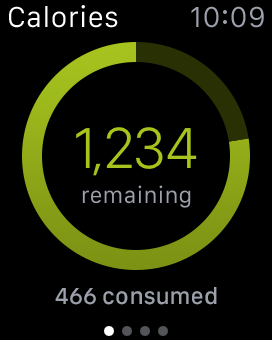
Using MyFitnessPal for Apple Watch, you can see, at a glance, a quick dashboard of your day’s nutrition information. Quickly swipe through screens displaying calories remaining, progress towards your daily macronutrient and micronutrient goals, and how many extra calories you’ve earned for the day by working out.

MFP apple watch 1     MFP apple watch 2     MFP apple watch 3

If you’re using UA Record, MapMyRun or Endomondo to track your activity, you can see real-time performance metrics like speed and distance without pulling out your phone. Start, pause, save a workout, and see calories burned in real time—all with a flick of a finger.

MMF apple watch 1       MMF apple watch 2     MMF apple watch 3

Connect with your friends on UA Record to see their photos, workout details and comments—or read status updates from world-class athletes. You can even use voice input to like or comment on social activity.

To get started with these new features, download the new UA Record, MapMyRun, Endomondo and MyFitnessPal apps from the Apple Watch App Store or App Store on iPhone, or by simply updating the latest version.


from Hello Healthy http://ift.tt/1KnrXru
via IFTTT

7 Full-Body Kettlebell Exercises


squat and curl

Kettlebells may be the ultimate training tool. Give them a try with these beginner-safe (but still challenging) moves, which deliver toning, core strengthening and a cardio session—all in one workout. PLUS! Watch a step-by-step guide to all the moves.

Your trainer: Andy Speer, co-owner of SoHo Strength Lab in New York City, designed this workout exclusively for SELF.

You’ll need: a kettlebell—10 to 15 pounds (4 to 6 kilograms) if you’re a beginner, 15 to 20 pounds (6 to 8 kilograms) if you have experience with them.

Do: this 7-move circuit 3 times a week. Perform moves 1, 2 and 3 to improve balance; do 3 sets. Next, try moves 4 and 5 for sculpting; do 3 sets. Finish with moves 6 and 7 for a cardio challenge; do 3 sets.

Halo

halo

Grip kettlebell handle with weight on top and hold at chest height. Stagger legs and bend knees. Lift weight to eye level; slowly circle it around head to the left (weight and handles swap positions as you go). Circle it to the right (as shown) for 1 rep. Do 5 reps.

Works shoulders, legs

Lunge Up

lunge up

Hold kettlebell in left hand with arm extended above shoulder, weight resting on back of wrist. Step left foot back into a reverse lunge (as shown). Step forward to stand for 1 rep. Do 10 reps; repeat on opposite side.

Works shoulders, abs, legs

Row

row

Hold kettlebell in right hand with arms hanging straight at sides, legs staggered a few feet apart with left foot forward. Bend at waist so torso is at a 45-degree angle to floor, back straight. Lift kettlebell to rib cage (as shown), pause and lower for 1 rep. Do 15 reps; repeat on opposite side.

Works upper back, shoulders, biceps, abs

Push Press

push press

Stand with feet hip-width apart. Hold kettlebell in right hand at shoulder height, weight on back of wrist. Squat, then stand as you press kettlebell overhead (as shown). Return to start for 1 rep. Do 10 reps; repeat on opposite side.

Works shoulders, triceps, abs, legs

Squat and Curl

squat and curl

Stand with feet shoulder-width apart, toes turned out 45 degrees, gripping kettlebell with both hands at chest height. Squat until thighs are parallel to floor, then do a biceps curl (as shown). Return to start. Do 2 squats; then do 2 curls at the bottom of the second squat. Continue adding reps to finish with 5 squats and 5 curls.

Works biceps, upper back, abs, legs

Swing

swing

Stand with feet shoulder-width apart, gripping kettlebell with both hands. Bend knees, then hinge at hips to swing kettlebell between legs. Stand as you swing it to chest height (as shown). Do 20 reps.

Works abs, glutes, hamstrings

New to this move? Learn how to do the kettlebell swing in four steps.

Triceps Press

triceps press

Grip kettlebell at base of handle with both hands, weight on top, and raise directly overhead (fingers behind you). Stagger feet and bend knees. Keep elbows close to ears as you lower kettlebell behind head to neck level (as shown). Pause, then straighten arms to raise kettlebell overhead for 1 rep. Do 10 reps.

Works triceps, shoulders, abs

Photos courtesy of SELF


from Hello Healthy http://ift.tt/1EFzJOA
via IFTTT

Apricot-Glazed Grilled Chicken


Apricot Glazed Grilled Chicken

Apricot-glazed grilled chicken thighs are a great try for your next backyard barbecue session. Courtesy of The Healthy Maven, these juicy marinated chicken thighs are worth getting your fingers sticky for! We recommend serving them with a big helping of greens or roasted veggies on the side.

healthy-maven-headshotDavida is the healthy living blogger behind The Healthy Maven, where she writes about healthy food, fitness and her insatiable sweet tooth. She aims to create delicious recipes that are healthy, gluten-free and filled with good-for-you ingredients but still taste as authentic as the originals. It’s not rare that she’ll throw spinach in her brownies! Check out more of her recipes on her blog and follow her on FacebookTwitter or Instagram.

Photo courtesy of Davida Kugelmass. Recipe originally posted on The Healthy Maven.


from Hello Healthy http://ift.tt/1GtkoOu
via IFTTT

6 Post-Workout Stretches to Combat Knee Pain


wall hamstring stretch

Feeling weak in the knees is only a good thing when it’s over your latest Tinder date. Experiencing joint pain is an entirely different sensation—and one that’s not quite so magical.

Joint pain affects one in five Americans and is one of the leading causes of disability in the U.S. Along with leg, neck, and back pain, knee pain tops the list of problem areas, according to James Rippe, M.D., a cardiologist and joint pain specialist. And we’re not getting better: A 2013 study reported a 162 percent increase in knee replacements over the last 20 years in people 65 and older.

So how do you know if you’re at risk? Factors like inactivity, carrying too much bodyweight, poor posture, improperly treated injuries, and insufficient nourishment can all contribute to knee pain, Rippe says. Luckily, by taking better care of your knees throughout your life, starting as early as your thirties, you can strengthen joints and potentially save yourself from years of daily pain and discomfort.

What You Can Do Now

One of the best things you can do for knee health is simply maintaining an active lifestyle. “Your joints thrive on movement,” Rippe says. “Always try to remember that some activity is better than no activity.” Rippe recommends low-impact activities, like swimming, brisk walking, or cycling, and considering taking health supplements that provide glucosamine and chondroitin to strengthen and lubricate knees.

On the flip side, too much movement can be hard on your joints. So if you’re one of those people who just can’t quit their HIIT habit or long-distance runs, there are some simple moves and stretches you can try that will help alleviate pain.

Since multiple muscles overlap the knee joint—including your calf, thigh, hamstrings, quadriceps, gastrocnemius, and soleus—and work together to flex, extend, and stabilize the knee, the exact source of pain isn’t always obvious. “This means you want to think about stretching all the tissues around the knees,” says Lauren Williams, a certified personal trainer and head coach at New York City’s athletic-based training studio Tone House.

Here, Williams shares six of the best (and simplest) moves that target all those muscle groups. Try to do these stretches after every workout to keep your knees healthy now and in the future.

1. Wall Calf Stretch

wall calf stretch

Calf muscles often get neglected during our stretching efforts. However, for those who run, do high-impact workouts, or spend a lot of time on their feet, calf stretches are very necessary, Williams says. Calves can get extremely tight from impact and need to be stretched to relieve any pain that might travel up the knee.

Find a wall you can lean against. Facing the wall, flex your right foot and position your heel right where the floor meets the vertical surface. Your toes should be elevated, while your heel remains on the floor. Keeping your heel on the ground and your leg as straight as possible, lean toward your front leg, holding the stretch at its deepest point. Lean in for five seconds at a time before releasing, working to deepen the stretch. Repeat the same stretch with your left leg. Aim for 10 to 15 reps on each leg—or more, if you’re still experiencing tightness.

2. Calf Smash With Lacrosse Ball

calf smash

This move allows you to work out tension in both your calf and your hamstring, Williams says.

Sit on the ground and pull your right foot close to your butt so your knee is bent. Wedge a lacrosse ball (or yoga/massage ball) below your right knee, sandwiching it between your calf and hamstring. Create a “compression force” by pulling your shin toward you, then rotate your foot in alternating circular movements to help create space in your knee joint. Continue until you feel tightness in these areas being relieved, then switch legs.

3. Half-Kneel Hip and Quad Stretch

hip and quad stretch

This stretch not only feels amazing, but it also works double-duty for your hip and quad muscles, Williams explains.

Kneel on one knee (feel free to put down a towel or mat) with your other foot planted flat on the ground in front of you. Make close to a 90-degree angle with both of your legs. Lean forward toward your front leg, stretching the front of your hip downward. Next, grab the ankle of your leg planted on the ground, and pull it toward your rear for a deep hamstring and hip stretch down the front leg, all the way to your knee. Move in and out of this stretch for 10 to 15 reps or more, depending on your level of tightness.

4. Quad Foam Roller Stretch

quad foam roller move

Stretching your quads is vital, as they get adaptively short from all the sitting most of us do every day and are often under constant tension. To get this large muscle group back to functioning at its best, Williams suggests using a foam roller.

Lie facedown and with a foam roller under your right leg, right under your quad. Put the majority of your bodyweight on your leg, and roll slowly. Instead of simply rolling up and down, roll your leg from side to side too, focusing pressure on the tighter spots of your muscles. Switch legs. Continue rolling until this feeling is no longer painful. If that’s impossible (as it might be for some runners!), do it for at least five minutes.

5. Wall Hamstring Stretch

wall hamstring stretch

Our hamstring muscles affect the knee more than we think and can be the source of discomfort or pain.

Lie faceup with your left leg flat on the ground, foot flexed. Take your right leg and prop it up on a wall or table, or use a resistance band. This stretch should radiate down the back of your leg, beginning in your knee. Once you find the deepest point of the stretch, alternate in five-second sequences between contracting and relaxing the foot of your right leg. If you have greater flexibility, hold the ankle of your right leg and pull it toward you. Aim for 10 to 15 rounds of five-second holds, and continue if you still feel tight. Repeat with your left leg.

6. Straight-Leg Raise

straight-leg raise

Easy strengthening exercises, like leg raises, put little to no strain on your knee but also activate and strengthen quadriceps.

Lie faceup with one knee bent and the other leg the ground in front of you. Lift your straight leg up approximately one foot, rotating your leg outward (the entire leg rotates outward, so toes point on a diagonal instead of straight up to the ceiling). Do 3 sets of 10 to 15 reps, alternating legs. As you get stronger, add ankle weights up to 10 pounds.


from Hello Healthy http://ift.tt/1I90daT
via IFTTT